


Wear it. Share it. Live it.
Autism Month | April
True Stories 🧡💛💚
Listen to the inspiring stories of our community. Share your True Story with us or share it online and tag @autismqueensland #TrueColours. Be inspired and read other stories below:
Emma 🧡💛💚
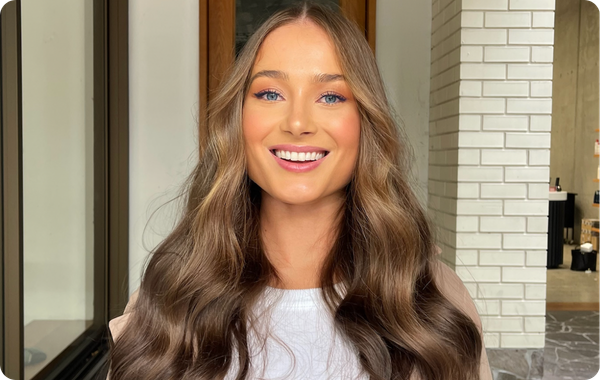
Emma Tomlinson’s school years were anything but ordinary. She attended eight schools, a huge challenge for any child, but especially for one who is autistic. Emma is not alone, with 1 in 3 autistic primary students and 1 in 2 autistic high school students changing schools to find a classroom where they can belong.
Sadly, almost every school brought with it the same painful experience: bullying.
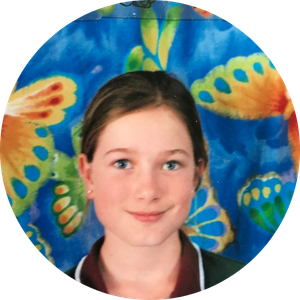
"I was bullied because I was different. When I was young, I spoke in a monotone and stuttered, so other children thought I wasn’t normal and wouldn’t play with me,” Emma recalls. She often hid under her desk, overwhelmed by the noise—a stark contrast to the vibrant, confident woman she is today.
Throughout her education, Emma was subjected to cruel taunts and labels like “retard” and “spastic”; and when she was older and her singing talent was beginning to shine, as “loud” and a “show-off”. Her classmates would avoid her, believing they could ‘catch autism’ as if it were contagious.
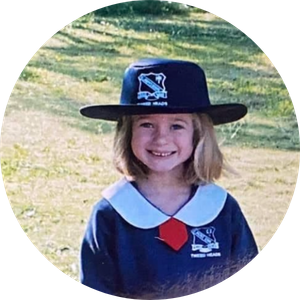
Emma was diagnosed with autism at just four years old, 6 months after her older brother received his diagnosis. Both siblings needed specialised support—Emma for speech therapy and her brother for respite care. While help was available, their mother had to tirelessly chase down each resource.
“Mum made it her mission to ensure we received the assistance and inclusion we were entitled to, even if it meant going down countless rabbit holes,” Emma shares. “From an early age, my brother and I became part of a vision to build a neurodivergent-affirming community.”
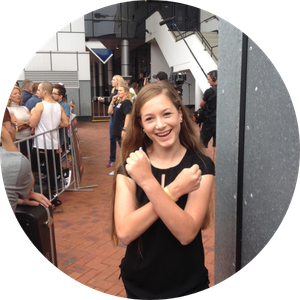
At 14, Emma’s musical journey took off—she starred on The X Factor and soon found herself performing locally, nationally, and internationally. After finishing school, she graduated from the University of the Sunshine Coast with a Bachelor of Creative Industries. There, Emma launched her advocacy work, starting the university’s first autism social support program, helping other autistic students transition from high school to uni, with steadfast support from the university and the university psychology team.
Emma stands as a testament to resilience. She’s now an accomplished singer-songwriter, musician, actor, performer, producer and proud AQ ambassador, embracing her #TrueColours and blazing a trail for other autistic women to follow.
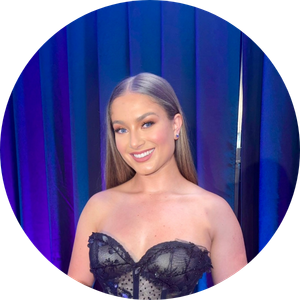
Zoe 🧡💛💚
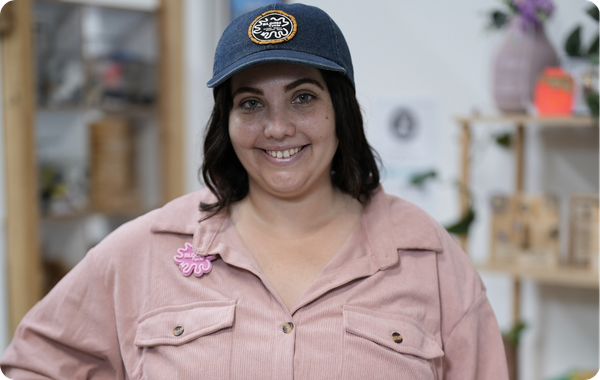
Zoe Atterbury is the founder of Bloom Cycle, a Brisbane-based manufacturer creating custom trophies and recognition pieces for government, corporate and major events.
Bloom Cycle was not born from a business plan. It was born from burnout.
As an autistic entrepreneur, Zoe has always experienced the world intensely. Systems that worked for others did not always work for her. Energy, processing, and communication all required a different rhythm. For a long time, she tried to fit into traditional models of work and leadership before realising she needed to build something that fit her instead. Bloom Cycle became that vehicle.
Today, the company designs and produces meaningful recognition pieces that organisations are proud to present and recipients genuinely value. Behind the scenes, the business is built around structure, predictability and deep focus – strengths that come directly from Zoe’s neurodivergent way of thinking.
Autism is not something Zoe “overcame.” It is central to how she designs systems, solves problems and leads. It shapes the way Bloom Cycle operates, from attention to detail through to long-term strategic thinking.
For Zoe, True Colours is about more than visibility. It is about creating environments where autistic people can build, lead and contribute without masking who they are.
Bloom Cycle is proof that when people are supported to work in ways that suit them, innovation follows.
Lucy 🧡💛💚

Lucy Hudson, just seven years old, is shattering expectations both on and off the ice. Diagnosed with ASD2, ADHD, and PDA before her fourth birthday, Lucy’s journey has been a testament to resilience and the transformative power of inclusive support.
Her early experiences with extracurricular activities were fraught with stress and hesitation, making the prospect of group participation daunting. Yet everything changed the day Lucy stepped onto the ice at a public skating session. The chilly air, the rush of movement—Lucy felt an instant connection. On her second visit, she gleefully shouted “Freedom”, marking the start of a new chapter.
Lucy’s enthusiasm quickly turned into commitment, as she transitioned from Saturday lessons to specialised coaching. Recognising Lucy’s unique needs, her coach sought training so he could better support her needs as a neurodiverse athlete.
Lucy trains four times a week, including two early morning sessions before school. Importantly, her training remains pressure-free and tailored to her preferences, allowing her to thrive on her own terms.
Her dedication was rewarded in March of 2025 when she won her first competition in Brisbane. Soon after, Lucy was invited to represent the Boondall Ice Skating Club in Melbourne—a challenge that included her longest flight and plenty of extra supports. On competition day, anxiety threatened to hold her back, but, with gentle encouragement and zero pressure, Lucy delivered her best performance yet, clinching victory once again.
Lucy’s achievements resonate far beyond the rink. She stands as a role model for young girls everywhere, proving that courage, self-advocacy, and determination can break barriers. Her story is a powerful reminder that with the right support, everyone can show their #TrueColours.
Jo 🧡💛💚
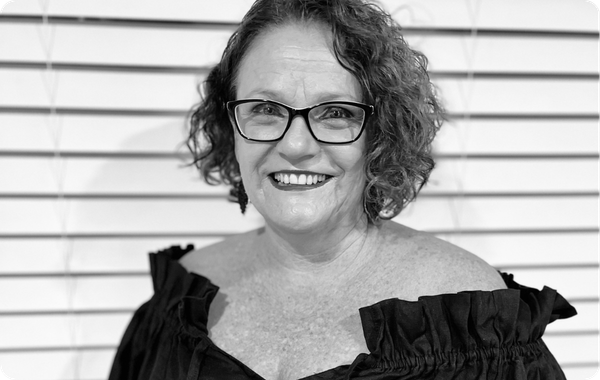
Nicholas 🧡💛💚
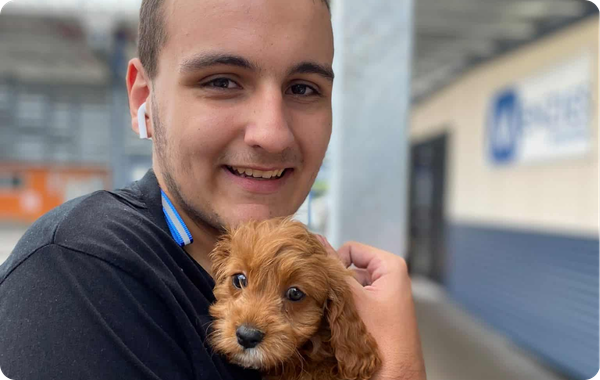
Hi, my name is Nicholas, and I’d like to share my story of challenge, change, and fulfilment.
At age 2, my parents received life-changing news — I had autism. It was a frightening prospect, but they bravely sought the best environment for me.
As we prepared for the move from Melbourne to Cairns, Mum discovered Autism Queensland (AQ) was opening a Cairns campus of their school. She enrolled me as their first student in 2009. My routine began with two days at AQ School and three at mainstream school, gradually transitioning to full-time mainstream school with support from outreach therapists.
AQ was vital throughout my primary school years, supporting me, my parents, and teachers. Graduating high school in 2021 was a proud moment. As I looked ahead, I knew I wanted to work with children, especially those who experienced challenges related to autism. I didn’t need to study about autism — I lived it every day. My experiences gave me a deep understanding and empathy that I wanted to share with others.
In 2022, I completed a Certificate III in Education Support and by 2024, I was thrilled to be offered a casual Education Support Teacher position at AQ School Cairns campus, later accepting a permanent part-time role. My current role as a Teacher Aide, Adult Adolescent Program Facilitator keeps my work exciting.
Today, I love my job. Supporting children who are on their own journeys with autism is not just a career for me — it’s a passion. I feel incredibly lucky to be able to work in a role that I genuinely enjoy and that allows me to give back to the community that supported me so much.
My story is one of hope, resilience, and the power of understanding. I believe that with support and compassion, everyone can find their own path to happiness and success.
Emma 🧡💛💚
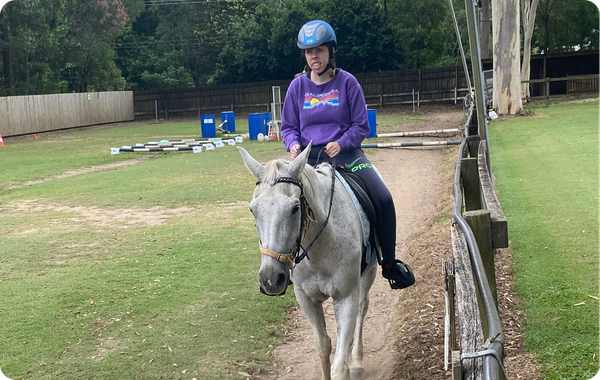
For our Supported Independent Living (SIL) clients, community access is about more than outings—it’s about supporting each person to explore their interests, build confidence, and truly thrive. They build their networks and gain a sense of belonging within their local areas.
Her weeks are filled with experiences that bring her joy and fulfilment, including horse riding, swimming, dancing, visits to the library, and time spent at various play and learning centres.
This balance has helped her stay active, engaged, and supported in ways that are meaningful and empowering. The team’s person‑centred approach ensures Emma is encouraged to try new experiences while feeling secure and confident in her routines.
Stories like Emma's showcase AQ’s ongoing dedication to helping our SIL clients engage and participate fully, and supporting them in living joyful, connected lives.
They demonstrate how personalised support and inclusive access empower clients, like Emma, to plan, prioritise, and prepare for the activities and goals they wish to pursue.
Pia 🧡💛💚
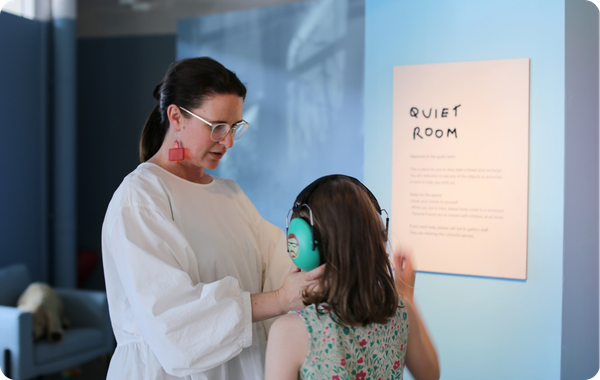
Through my own family’s need to find safe, sensory‑friendly spaces in public, particularly within the arts, rather than accept that, I decided to do something about it.
Alongside my long‑time collaborator and friend, Martin Edge, I led a project to create safe sensory spaces through inclusive arts programming, spanning across galleries, playgrounds, public art, hospitals, schools, and more.
These experiences were designed so families could feel safe, comfortable, and genuinely welcome.
Through this work, families of neurodivergent children have been able to participate in everyday cultural experiences, connect with others, feel seen in public space, and engage in play and creative expression.
Since commencing, the initiative has reached over 203,000 participants across 17 venues in 5 local government areas, with 192 activities delivered.
One parent shared that it was the first time they had seen their child completely unmask. Another young participant who was situationally mute returned multiple times, eventually becoming verbal, creating artwork, and exhibiting it publicly.
A key outcome was advocating for and achieving Australia’s first semi‑permanent quiet room in an art gallery which has now become a permanent feature. Importantly, this work has also provided ongoing employment for artists and facilitators who identify as Neurodivergent.
This project reflects my commitment, as a mother, artist, friend and advocate for creating inclusive public spaces where everyone belongs.



